Innovation in payments technology is changing how people pay for things every day. In the past, cash and cards were the main options, but today most payments happen through mobile phones, apps, and digital systems. This shift is making payments faster, safer, and easier for both customers and businesses. In the United States, innovation in payments technology helps people send money instantly, shop online smoothly, and protect their financial data. From mobile wallets to contactless payments, these changes improve the payment experience. As innovation in payments technology continues to grow, it is shaping a future where payments are simple, secure, and designed for modern life. Understanding innovation in payments technology helps beginners stay informed and confident in today’s digital world.
What Are Payment Innovations and Why They Matter Today
Payment innovation means using new technology to move money in better ways. In simple words, it is about making payments faster, safer, and more convenient. Instead of cash or checks, people now use mobile apps, digital wallets, and instant transfers.
These payment innovations 2026 matter because they improve daily life. Shoppers can pay in seconds. Businesses can accept money without delay. Banks and fintech companies can protect users with better security. Strong payment infrastructure also helps merchants reach more customers, both online and in stores.
For beginners, the most important idea is this. Payment innovation is not just about technology. It is about improving the payment user experience and meeting changing consumer payment behavior.
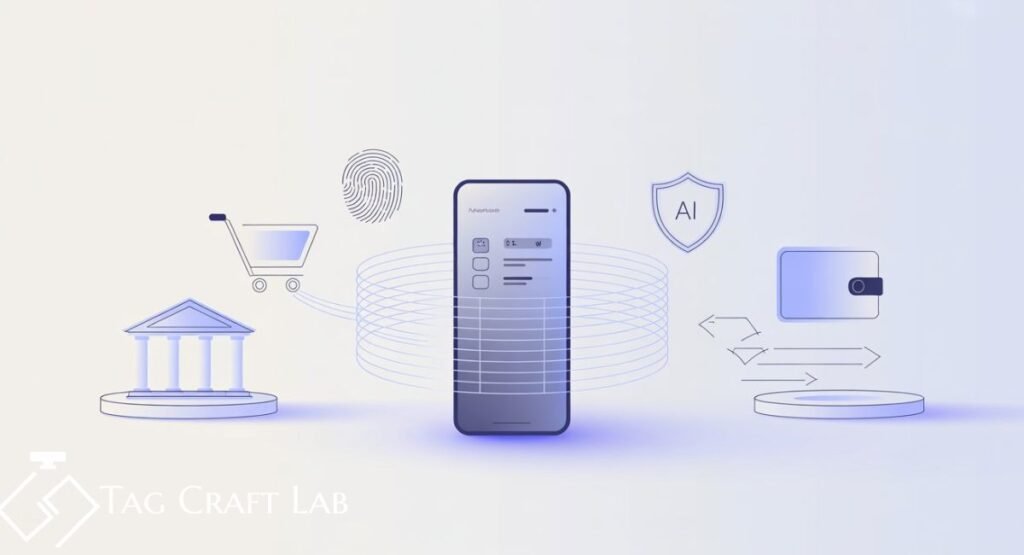
Evolution of Digital Payments — From Cashless to Intelligent Payments
Payments did not change overnight. First came cashless payments like debit and credit cards. Then online banking made it possible to pay bills on a computer. After that, smartphones changed everything.
Today, digital payment technologies are intelligent. They can check transactions, verify users, and stop fraud in real time. Payment authorization and transaction verification now happen in seconds. Many systems use encrypted payment data to keep information safe.
In the United States, instant payments are becoming more common. People expect money to move as fast as messages on their phones. This shift shows how modern payment processing is becoming smarter and more automated.
Buy Now, Pay Later (BNPL) and the Shift in Consumer Credit
Buy Now, Pay Later, often called BNPL, lets people buy something and pay for it over time. Instead of paying the full price right away, the cost is split into smaller payments.
BNPL is part of mobile payments innovation because it works smoothly inside apps and digital wallets. Many shoppers like it because it feels simple and flexible. It also changes consumer payment behavior by giving people more control over spending.
However, BNPL still needs clear rules and careful payment authorization. When used responsibly, it can help shoppers and merchants. When used poorly, it can lead to overspending. This is why smart payment systems must balance ease and safety.
Digital Wallets, Contactless Payments, and Mobile Point of Sale (mPOS)
Digital wallets store payment details on your phone. They allow people to pay with a tap instead of using cash or cards. This includes contactless payments and tap-to-pay technology, which are now common in stores across the U.S.
Mobile wallets also help businesses. With mobile point of sale systems, a phone can act as a payment terminal. This improves merchant payment acceptance, especially for small businesses and local sellers.
As digital wallets adoption grows, payments become quicker and smoother. Customers enjoy faster checkout, and businesses reduce errors. This is a clear example of how mobile payment technologies 2026 improve everyday transactions.
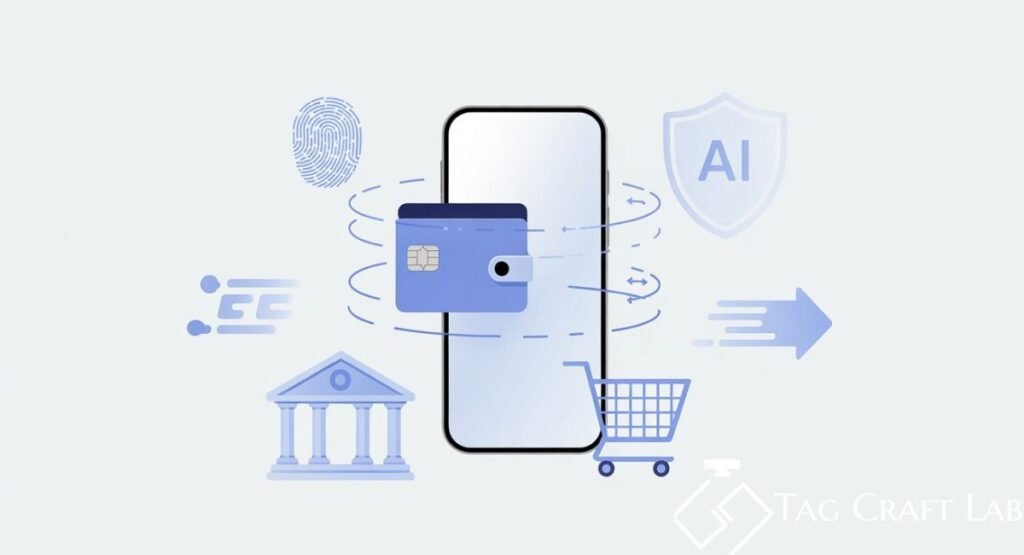
Real-Time, Peer-to-Peer, and Cross-Border Payment Innovations
Real-time payments allow money to move instantly from one account to another. Peer-to-peer payments let friends and family send money using apps. These tools are now part of daily life.
Cross-border mobile payments are also improving. Sending money to another country used to take days. Now it can happen much faster thanks to better payment infrastructure and encrypted payment data.
These changes support global business and personal connections. They also show how fintech payment solutions help remove barriers and make payments more accessible.
Blockchain, Cryptocurrencies, and Central Bank Digital Currencies (CBDCs)
Blockchain is a system that records transactions in a secure and transparent way. Cryptocurrencies use blockchain, but they are not the same as everyday digital payments. Many people confuse the two.
Central Bank Digital Currencies, or CBDCs, are different. They are digital versions of national money. Governments are exploring them to improve payment authorization and transaction verification.
In the U.S., discussions around CBDCs focus on safety and trust. These tools are part of broader digital payment technologies, but they are still developing and not yet part of daily payments for most people.
Artificial Intelligence in Payments — Fraud Detection, Personalisation, and Automation
Artificial intelligence plays a big role in payment innovations 2026. AI in payment systems helps detect fraud as it happens. This is called real-time fraud detection.
AI also supports Know Your Customer and Anti Money Laundering checks. These tools help confirm user identity and reduce illegal activity. By analyzing patterns, AI can spot unusual behavior quickly.
For beginners, the key idea is simple. AI helps make payments safer and faster without extra effort from users. It improves digital transaction security while keeping the payment process smooth.
Biometric and Passwordless Payment Authentication
Biometric payments use fingerprints, face scans, or voice recognition. These are examples of modern payment authentication methods.
Instead of remembering passwords, users rely on on-device authentication. This reduces mistakes and improves digital transaction security. Biometric payments also protect against weak passwords and phishing.
As more phones support biometrics, this technology becomes a normal part of mobile-first payment systems. It helps beginners feel confident when using digital payments.
Embedded Payments, Open Banking, and API-Driven Ecosystems
Embedded payments allow users to pay without leaving an app or website. Open banking lets different systems share data safely. APIs connect these systems and support modern payment processing.
These tools are mostly behind the scenes, but they improve the payment user experience. Payments feel faster and simpler because systems work together smoothly.
This part of mobile payments innovation is important for businesses and developers, but users benefit from easier and more reliable payments.
Future of Payment Technologies — Opportunities, Risks, and 2026 Trends
The future of payments in the U.S. is mobile, fast, and secure. Mobile payment technologies 2026 will focus on better security, faster instant payments, and smarter automation.
Opportunities include smoother shopping, better business tools, and global access. Risks include fraud and privacy concerns. This is why strong payment security technologies and clear rules matter.
According to Federal Reserve, real-time payment systems and secure digital infrastructure are key to future growth. Research from McKinsey & Company also shows that digital payments will continue to grow unevenly but steadily across regions.
Frequently Asked Questions About Innovation in Payments Technology
What is the latest technology in the payment industry
The latest payment technologies include mobile wallets, tap-to-pay, biometric payments, and instant transfers. These tools help people pay quickly and safely using smartphones. Many systems now use AI to improve security and stop fraud in real time.
What is the next big thing in payments
The next big thing in payments is smarter and more secure mobile payments. Artificial intelligence, biometric authentication, and real-time payments are expected to grow. These innovations make payments easier while improving digital transaction security.
How is innovation in payments technology changing banking
Payment innovation helps banks offer faster and safer services. Digital payment technologies reduce the need for cash and allow customers to manage money through apps. Banks also use AI and automation to improve fraud detection and customer experience.
What kind of payment innovation is JPMorgan working on
JPMorgan is investing in real-time payments, blockchain-based systems, and advanced fraud detection. These efforts aim to improve payment infrastructure and make transactions faster and safer for both businesses and consumers.
Are new payment technologies safe for beginners
Yes, most modern payment systems use strong security tools like encrypted payment data, two-step verification, and biometrics. When users follow basic safety habits, digital payments are generally safe and easy to use.
Final Thoughts
Innovation in payments technology is changing how people in the United States pay for goods and services. From mobile wallets to AI-powered security, digital payment technologies are making payments faster, simpler, and safer. As these tools grow, understanding them helps beginners feel confident and prepared for the future of payments.
meta description
Innovation in payments technology is transforming how people pay in 2025 with faster, safer, and smarter digital payment solutions.